Imagine opening your pantry door to a sea of expired canned goods, mysterious leftovers, and a maze of cluttered shelves. You’re not alone in this struggle, as many of us have been there at some point, wondering how our pantry went from tidy to chaotic. The frustration of wasting time and money on duplicate purchases or expired food is a common consequence of a disorganized pantry.
For you, creating a minimalist home is not just about aesthetics, but also about streamlining your daily routine and reducing stress. A well-organized pantry is the backbone of a functional kitchen, allowing you to cook and prepare meals with ease, while also saving you time and money in the long run. As you work towards achieving your minimalist goals, a clutter-free pantry is an essential step in creating a more peaceful and efficient living space that truly reflects your values.
In this post, you’ll discover how to create a pantry system that stays organized, tailored to your unique needs and lifestyle. You’ll learn how to purge your pantry of unnecessary items, categorize and store your food and cooking essentials, and maintain your newly organized space with ease. Quick Win: Start by taking everything out of your pantry and sorting items into three categories: keep, donate/sell, and discard, to get a clear picture of what you have and what you need to tackle first.
- 10 Brilliant Steps to Create the Ultimate Pantry System That Stays Organized
- Top Recommended Organizing Tools
- Create a Pantry System That Stays Organized and Saves You Time
- Understanding Your Pantry Needs
- Designing Your Pantry System
- Expert Tips
- Common Mistakes to Avoid
- Maintaining Your Pantry System
- Frequently Asked Questions
- Frequently Asked Questions
10 Brilliant Steps to Create the Ultimate Pantry System That Stays Organized
Top Recommended Organizing Tools
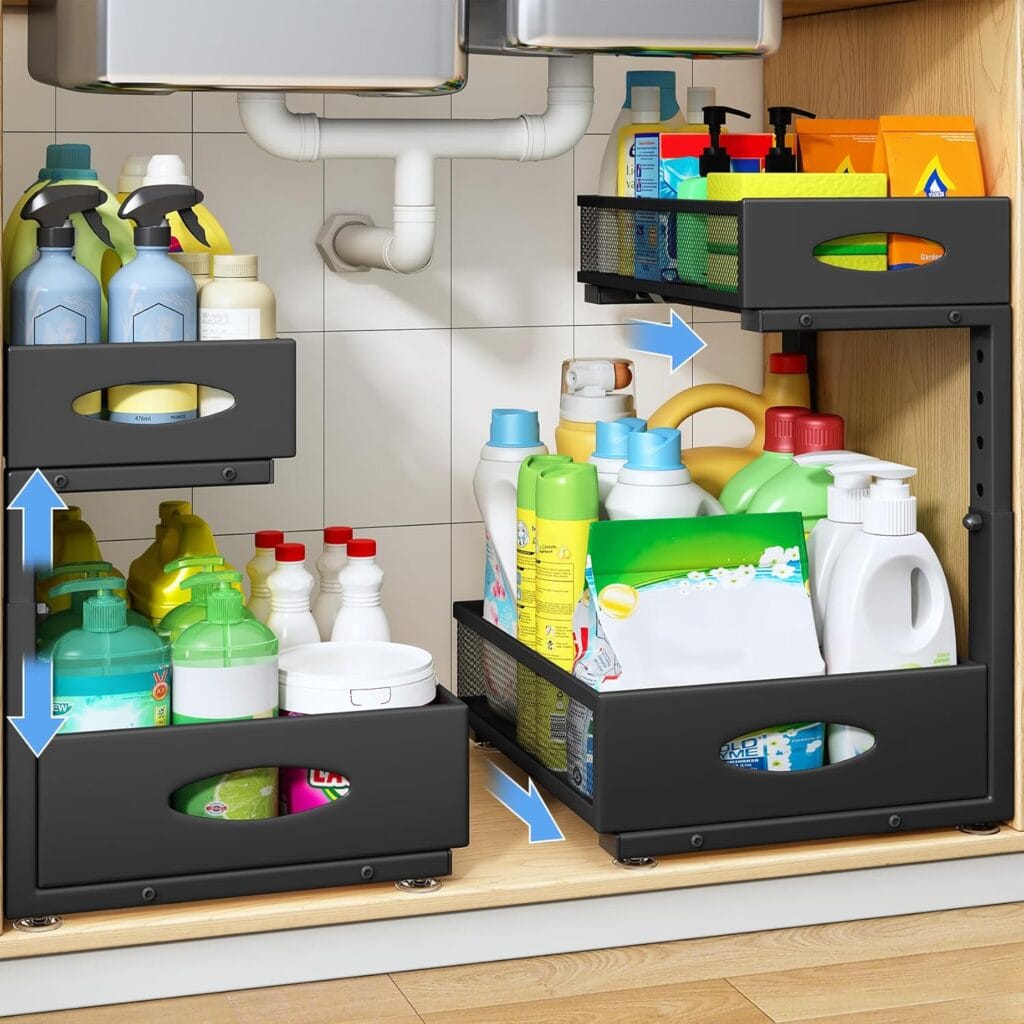
DEKAVA 4 Pack Pull Out Cabinet Organizer Expandable, Adhesive with Nano Film, Pull Out Drawers for Cabinets in Kitchen, Pantry or Bathroom (Black, 21“DEEPX[12″-20”]Width-4PACK)

Review: $99.99 | ⭐ 4.5/5. Check on Amazon →
HOMESTEAD Bamboo Pantry Storage Bins – Potato & Onion Storage Bin for Pantry Organizers, Produce Organizer Set of 3 – Slide out Bin Access

Review: $42.99 | ⭐ 4.5/5. Check on Amazon →
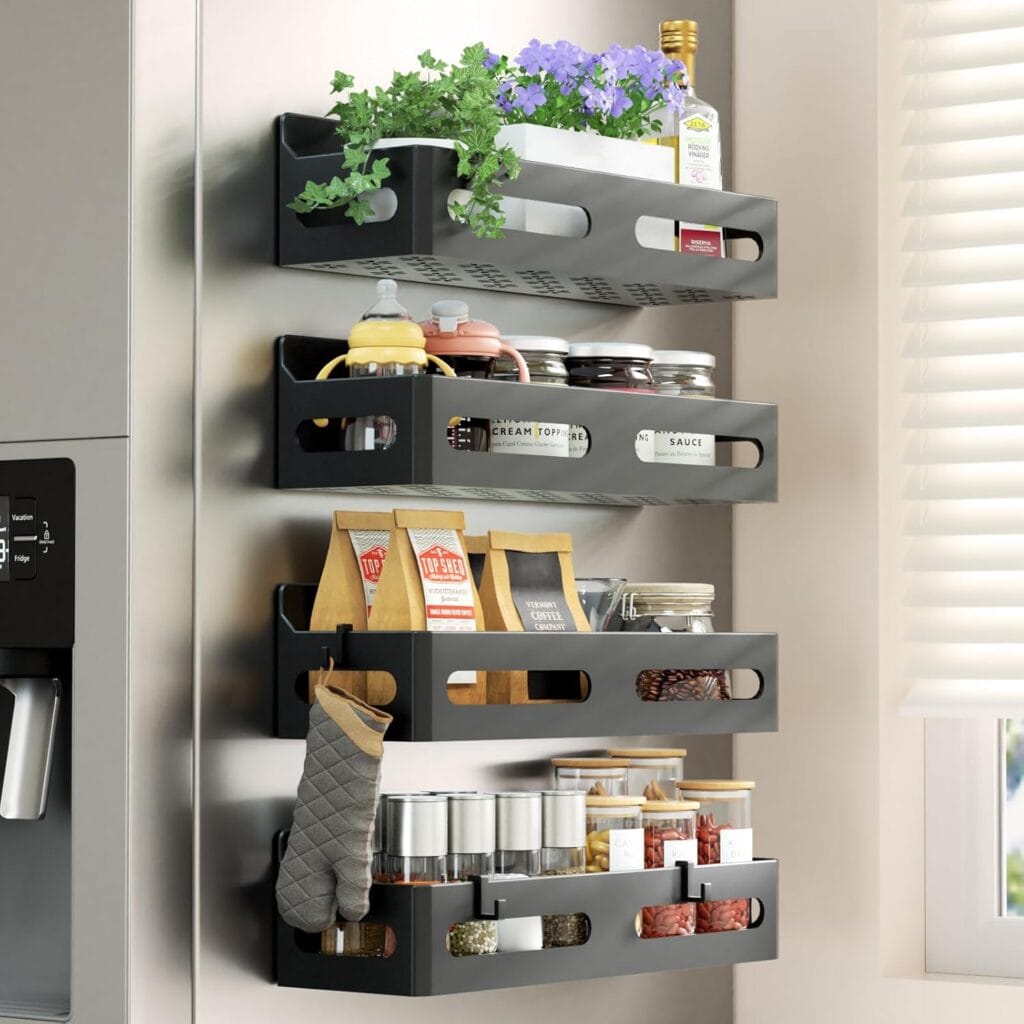
Jojocross Adjustable Expanable Stackable Spice Rack Shelf Pantry Storage Organizer for Kitchen Cabinet,Countertop,Bathroom and More.Space is no Longer Limited(3Packs/Black/Medium)
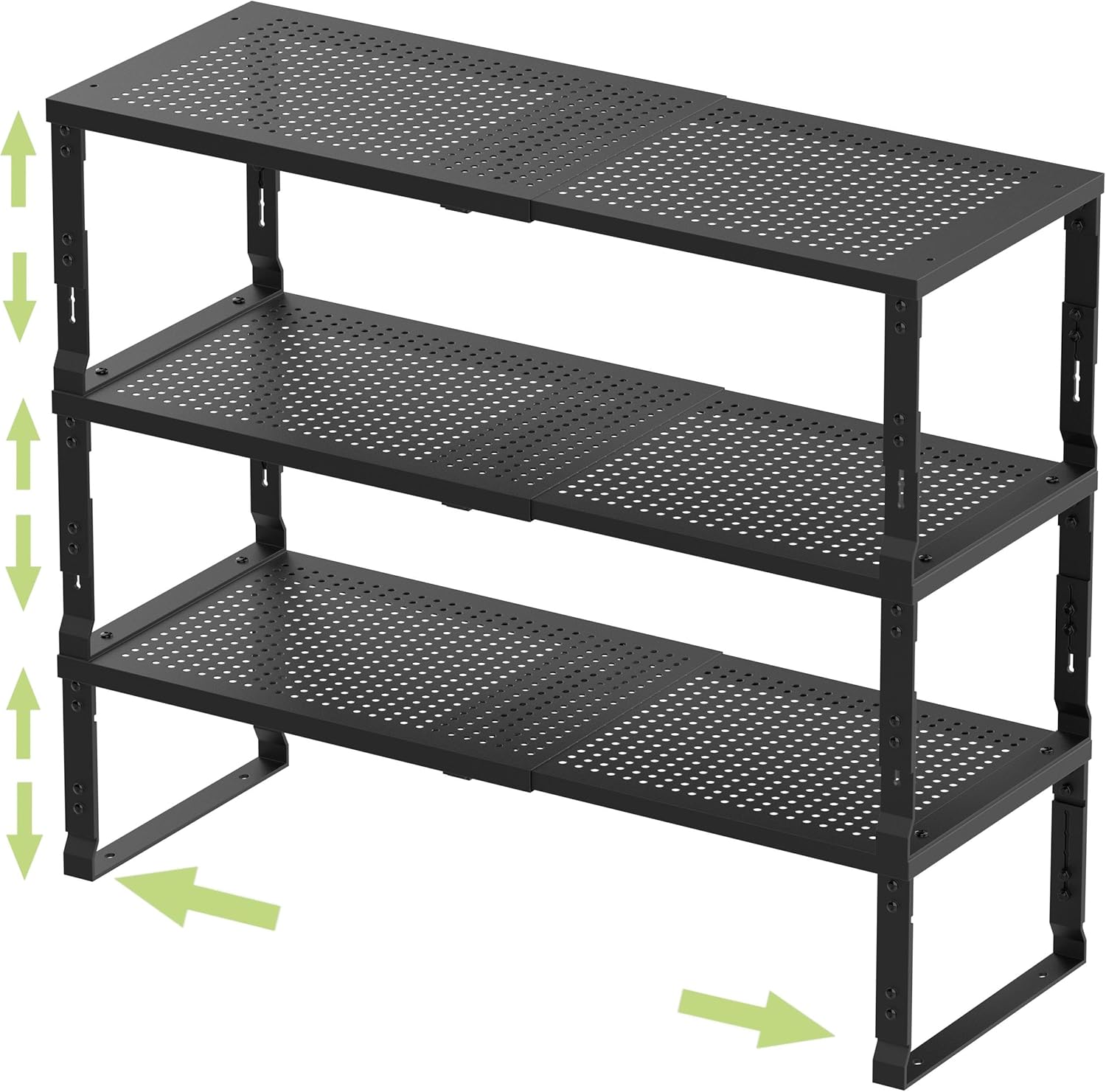
Review: $61.59 | ⭐ 4.6/5. Check on Amazon →
Imagine standing in front of your pantry, surrounded by expired cans, stale crackers, and mystery containers, as you frantically search for a snack to pack in your child’s lunchbox. The air is thick with the smell of stale food, and the shelves seem to be closing in on you. Your mind is racing, and your stress levels are spiking, as you realize you’re already running late for work. The clutter is not just visually overwhelming, but it’s also emotionally draining, making you feel like you’re failing at adulting. As you scan the shelves, you can’t help but wonder how things got this out of hand.
The chaos in your pantry is not just a matter of aesthetics; it’s a reflection of the underlying systems and habits that govern your daily life. Without a well-designed pantry system, it’s easy to get caught up in a cycle of clutter and disorganization, which can lead to wasted time, money, and energy. The emotional cost of this chaos can be significant, from feeling anxious and overwhelmed to experiencing guilt and shame about the state of your kitchen. As the days turn into weeks, and the weeks turn into months, the problem only seems to get worse, leaving you feeling stuck and unsure of where to start.
But here’s the thing: it’s not your fault that your pantry is a mess. It’s not because you’re lazy or lack motivation. It’s simply because you’re missing a solid system to keep your pantry organized and functional. The good news is that creating a pantry system that stays organized is within your reach. By implementing a few simple strategies and habits, you can transform your pantry into a peaceful and efficient space that makes your life easier, not harder. Keep reading to discover the solutions that will help you achieve pantry bliss.
Create a Pantry System That Stays Organized and Saves You Time
Step 1: Start With a Clean Slate
To create a pantry system that stays organized, you need to start by clearing out everything from your pantry. Yes, you read that right – everything. Take out all the food, spices, and cooking supplies, and sort them into three piles: keep, donate/sell, and discard. Be ruthless – if you haven’t used it in the past year, it’s probably safe to get rid of it. This will give you a clean slate to work with and help you avoid cluttering up your new system with unnecessary items. Begin by taking out any expired or spoiled food and disposing of it properly.
This initial purge will also give you a chance to wipe down the shelves and floor of your pantry, getting rid of any dust, dirt, or spills that may have accumulated. You can use a gentle cleanser and a soft cloth to clean the surfaces, and then dry them thoroughly to prevent any water spots. Once everything is clean and dry, you can start thinking about how you want to organize your pantry. Consider the types of food and cooking supplies you use most often, and think about how you can arrange them in a way that makes sense for your cooking style.
Step 2: Sort by How Often You Use It
Now that you’ve got a clean slate, it’s time to start sorting your pantry items into categories based on how often you use them. Start by grouping similar items together – for example, all your baking supplies, all your spices, and all your canned goods. Then, within each group, sort items by how often you use them. For example, if you bake frequently, you’ll want to keep your most-used baking supplies, like flour and sugar, front and center, while less frequently used items, like specialty spices, can be stored towards the back. Consider using baskets or bins to store items like snacks or coffee, and label them so you can easily find what you need.
It’s also a good idea to consider the types of meals you cook most often, and organize your pantry accordingly. For example, if you cook a lot of Italian food, you’ll want to keep your pasta, marinara sauce, and olive oil in easy reach. By sorting your pantry items by frequency of use, you’ll be able to quickly find what you need when you need it, and avoid wasting time searching for ingredients. You can also use this opportunity to plan your meals for the week, and make a grocery list of any items you need to restock.

Step 3: Pick Storage That Fits Your Space
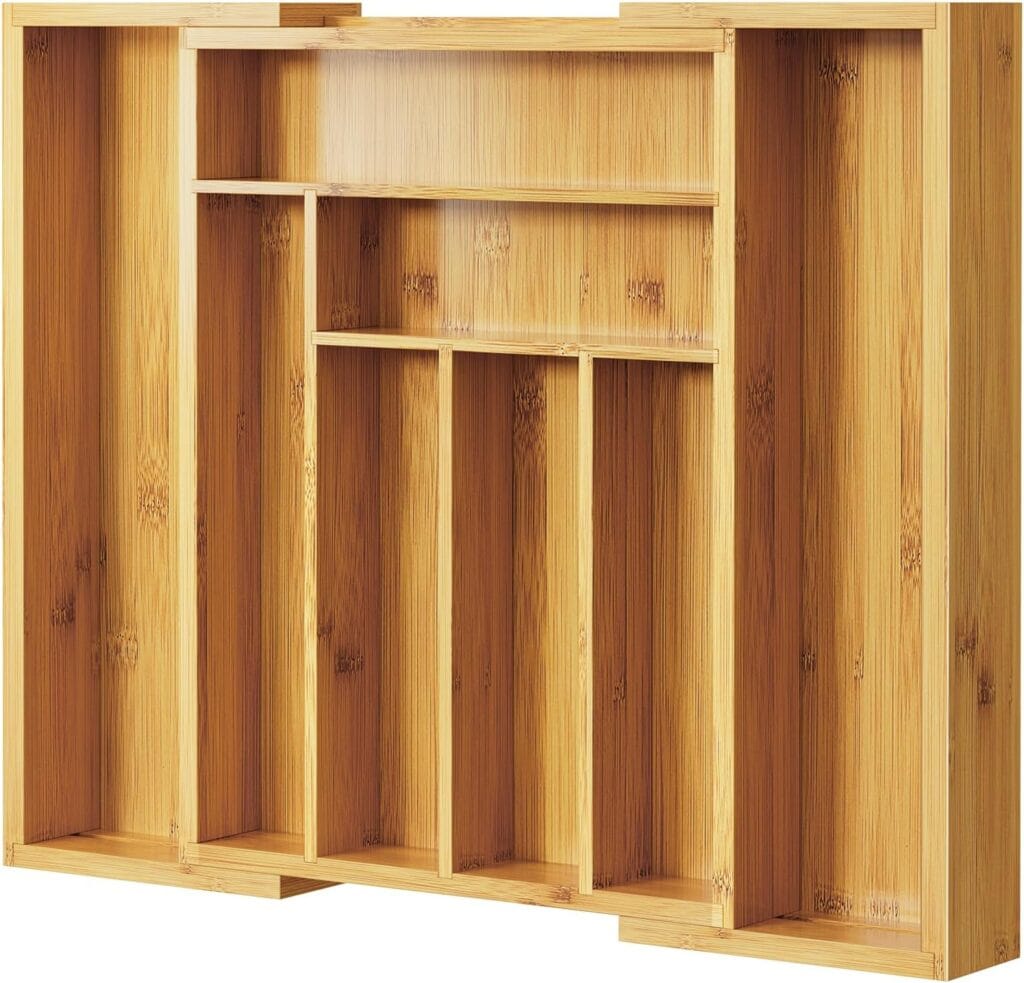
Once you’ve sorted your pantry items, it’s time to think about storage. You’ll want to choose storage solutions that fit your space and your needs. Consider using stackable shelves or baskets to maximize your vertical space, and keep frequently used items at eye level. For example, you can use a turntable to store your spices, or a basket to store your snacks. You can also use adjustable dividers to separate your shelves into different sections, and keep similar items together. If you have a lot of heavy items, like canned goods or cookbooks, consider using sturdy bins or baskets with handles to make them easier to lift and move.
Another option is to use a pegboard on the back of a door or wall to hang items like aprons, oven mitts, or utensils. This will keep them out of the way but still within easy reach. You can also use over-the-door storage racks to store items like cleaning supplies, or a shoe organizer to store items like snacks or coffee. Consider using clear bins or containers so you can see what’s inside without having to open them, and label them so you can easily find what you need. By choosing storage solutions that fit your space and your needs, you’ll be able to keep your pantry organized and clutter-free.
Step 4: Label Like a Pro
Labeling your pantry storage is crucial to keeping your system organized and functional. You’ll want to label each storage container or shelf with its contents, so you can easily find what you need. Consider using a label maker to create uniform labels, or use chalkboard labels that you can write on with chalk. You can also use stickers or washi tape to add a pop of color and make your labels more visible. Be specific with your labels – instead of just labeling a shelf as “baking supplies,” consider breaking it down into more specific categories, like “flour,” “sugar,” and “baking powder.”
It’s also a good idea to include the date you purchased or opened an item, so you can keep track of how long it’s been sitting on the shelf. This will help you avoid expired or spoiled food, and make sure you’re using up your supplies before they go bad. Consider using a “first in, first out” system, where you use up the oldest items first, to avoid waste and keep your pantry fresh. By labeling your pantry storage like a pro, you’ll be able to quickly find what you need, and avoid wasting time searching for ingredients.
Step 5: Build a 5-Minute Weekly Reset Habit
To keep your pantry system organized and functional, you’ll need to build a weekly reset habit. Set aside just 5 minutes each week to tidy up your pantry and make sure everything is still in its place. This can be as simple as wiping down the shelves, throwing away any expired or spoiled food, and making sure all the containers are closed and labeled. You can also use this time to plan your meals for the week, and make a grocery list of any items you need to restock. Consider setting a reminder on your phone or putting it in your calendar, so you don’t forget to do your weekly reset.
By building a weekly reset habit, you’ll be able to keep your pantry organized and clutter-free, and avoid wasting time searching for ingredients. You’ll also be able to see what you have on hand, and plan your meals accordingly, which can help you save money and reduce food waste. Consider enlisting the help of a family member or roommate to make it a team effort, and make it a fun and relaxing part of your weekly routine. By taking just a few minutes each week to reset your pantry, you’ll be able to keep your system organized and functional, and enjoy the benefits of a clutter-free kitchen.
How to Create a Pantry System That Stays Organized
Imagine walking into your kitchen, opening the pantry door, and being greeted by a sense of calm and order. The shelves are neatly stocked, and everything has its designated place. This is the ultimate goal of creating a pantry system that stays organized. To achieve this, you’ll need to start by assessing your current pantry space and habits.
Understanding Your Pantry Needs
To create an effective pantry system, you need to understand your storage needs and habits. Take stock of the types of food you typically store in your pantry, including dry goods, canned items, and baking supplies. Consider the frequency of use for each item and the space required to store them. This information will help you design a pantry system that meets your specific needs.
Designing Your Pantry System
A well-designed pantry system starts with a clear plan. Begin by measuring your pantry space, including the dimensions of the shelves, doors, and any obstacles. Use this information to create a layout that maximizes storage capacity and accessibility. Consider investing in shelves, baskets, or containers that fit your specific needs and can be easily labeled.
Expert Tips
Rule 1: Purge and Categorize. Start by removing all items from your pantry and sorting them into categories, such as baking supplies, snacks, and canned goods. This will help you see what you have, what you need, and what can be discarded or donated. Be ruthless – if you haven’t used it in the past year, it’s likely safe to get rid of it.
Rule 2: Create a Maintenance Habit. Set aside time each week to maintain your pantry system, whether it’s 10 minutes a day or 30 minutes a week. This could be as simple as wiping down shelves, checking expiration dates, or restocking supplies. By making maintenance a habit, you’ll keep your pantry organized and clutter-free. Consistency is key to developing a habit that will stick.
Rule 3: Use Vertical Space. Maximize your pantry’s vertical space by using stackable shelves, baskets, or containers. This will help keep items off the floor, reducing clutter and making the most of your storage capacity. Label each shelf or container to ensure you can easily find what you need, and consider using a step stool or ladder to access hard-to-reach areas.
Common Mistakes to Avoid
- Mistake 1: Overcrowding Shelves: Packing shelves too tightly can lead to clutter and make it difficult to find what you need, ultimately defeating the purpose of your pantry system.
- Mistake 2: Ignoring Expiration Dates: Failing to check expiration dates can result in expired or spoiled food, wasting money and space in your pantry.
- Mistake 3: Not Labeling Containers: Failing to label containers or shelves can lead to confusion and disorganization, making it harder to maintain your pantry system.
- Mistake 4: Using the Wrong Storage Containers: Using containers that are too small or too large can waste space and create clutter, so choose containers that fit your specific needs.
- Mistake 5: Not Adjusting to Changing Needs: Failing to adjust your pantry system as your needs change can lead to clutter and disorganization, so be willing to re-evaluate and adapt your system as needed.
Maintaining Your Pantry System
Maintaining your pantry system requires ongoing effort, but the payoff is worth it. By following the rules and tips outlined above, you’ll be able to keep your pantry organized and clutter-free. Remember to regularly review your system and make adjustments as needed to ensure it continues to meet your changing needs.
Frequently Asked Questions
Q: How often should I clean my pantry?
A: It’s a good idea to clean your pantry at least once a month, or more often if you notice dust or spills accumulating. This will help keep your pantry fresh and prevent pests. Take everything out, wipe down the shelves, and vacuum the floor to keep your pantry in top condition.
Q: What’s the best way to store snacks in my pantry?
A: Store snacks in airtight containers or zip-top bags to keep them fresh and prevent pests. Consider using a snack basket or container with separate compartments to keep items organized and easy to find. This will also help prevent snacks from getting lost or forgotten in the back of the pantry.
Q: How can I keep my pantry organized when I have limited space?
A: Use vertical space by installing shelves or using stackable containers. Consider using a pantry organizer system or investing in a cart or island with storage to maximize your space. You can also use the back of the door for additional storage by installing hooks, baskets, or a shoe organizer.
Q: What’s the best way to label my pantry containers?
A: Use a label maker to create clear, easy-to-read labels for your containers. Consider using a color-coding system to categorize items, such as red for baking supplies or blue for snacks. You can also use chalkboard labels or stickers for a more rustic or decorative look.
Q: How can I prevent pests in my pantry?
A: Store food in airtight containers, clean up crumbs and spills promptly, and regularly inspect your pantry for signs of pests. Consider using bay leaves or diatomaceous earth to repel pests naturally. You can also use essential oils like peppermint or lavender to deter pests and keep your pantry smelling fresh.
Frequently Asked Questions
What are the best containers to use for a pantry system?
When it comes to choosing containers for your pantry system, consider using airtight bins and baskets that are specifically designed for food storage. Look for containers that are easy to clean, durable, and have labels or transparent walls to help you quickly identify what’s inside. You can find a variety of pantry storage containers on Amazon or at your local home goods store.
How do I keep my pantry organized with a large family?
Keeping a pantry organized with a large family can be challenging, but one strategy is to assign a specific shelf or section to each family member. This way, everyone knows where their favorite snacks and ingredients are stored, and you can avoid clutter and disorganization. You can also consider implementing a “first in, first out” policy to ensure that older items are consumed before they expire.
Can I use a pantry system in a small kitchen?
Yes, you can definitely use a pantry system in a small kitchen – it’s all about maximizing your space. Consider using wall-mounted shelves, over-the-door storage racks, or a cart with drawers to keep your pantry items organized and out of the way. You can also use stackable containers and baskets to make the most of your available space.
How often should I clean and maintain my pantry system?
It’s a good idea to clean and maintain your pantry system every 1-2 months to prevent clutter and keep your food fresh. Start by removing everything from your pantry and wiping down the shelves with a damp cloth. Then, sort through your items and get rid of anything that’s expired or no longer needed, before restocking your pantry with the items you want to keep.
Can I customize my pantry system to fit my specific needs?
Absolutely – a pantry system should be tailored to your individual needs and preferences. Consider what types of food you store most often, and choose containers and storage solutions that are designed for those items. You can also add custom features like a spice rack, a coffee station, or a special section for your favorite snacks to make your pantry system truly functional and enjoyable to use.
Pro Tip: Build your complete system by checking out our guide on Top 5 Best Airtight Food Storage Containers For A Fresher Kitchen.
Research Reference: Verified How to Create a Pantry System That Stays Organized strategies also found on expert authority sites.
Embracing a More Organized You: How to Create a Pantry System That Stays Organized
By implementing these simple yet effective strategies, you’ll be on your way to a pantry that not only looks amazing but also functions beautifully. Remember, the key to maintaining your newly organized pantry is to make adjustments as needed and stay committed to your system. With a little patience and practice, you’ll be enjoying the benefits of a clutter-free pantry in no time.
If you found this guide helpful, consider saving it for future reference or sharing it with a friend who could use some pantry inspiration. For more organization tips and tricks, be sure to check out our related guides, such as How to Organize a Small Pantry Step by Step or Ultimate Guide: How to Organize Kitchen Cabinets Step by Step from 0. Happy organizing, and don’t forget to explore our top picks for lazy susans for corner cabinets to maximize your pantry’s potential!