Imagine walking into your kitchen, feeling overwhelmed by the cluttered countertops, and struggling to find the one utensil you need amidst the chaos. You’re not alone in this feeling, as many of us have accumulated a plethora of kitchen gadgets and tools over the years, leaving our kitchens feeling more like storage units than serene spaces. As you stand there, wondering how to reclaim your kitchen, you start to think about the benefits of embracing a more minimalist approach.
As you consider adopting a more minimalist lifestyle, your kitchen is one of the first places to start, since it’s often the heart of the home where you spend a significant amount of time. You want your kitchen to be a space that inspires creativity and nourishment, not stress and anxiety. By streamlining your kitchen, you’ll not only free up physical space but also mental energy, allowing you to focus on the things that truly matter to you, like cooking healthy meals for yourself and your loved ones.
In this article, you’ll discover practical solutions to help you create a more minimalist kitchen, from decluttering your cabinets to optimizing your countertop space. You’ll learn how to identify the essential items you need to keep and the non-essential items you can toss, creating a more efficient and peaceful cooking environment. Quick Win: Start by clearing off one cluttered countertop and designating it as a “landing strip” for daily essentials, like your coffee maker and favorite cookbook, to instantly create a sense of calm and functionality in your kitchen.
- The 10-Step Ultimate Guide to Creating a Minimalist Kitchen
- Top Recommended Organizing Tools
- Transform Your Space into a Calm and Functional Haven
- Getting Started with a Minimalist Kitchen
- Expert Tips
- Common Mistakes to Avoid
- Creating a Functional and Beautiful Space
- Implementing a Maintenance Routine
- Frequently Asked Questions
- Frequently Asked Questions
The 10-Step Ultimate Guide to Creating a Minimalist Kitchen
Top Recommended Organizing Tools
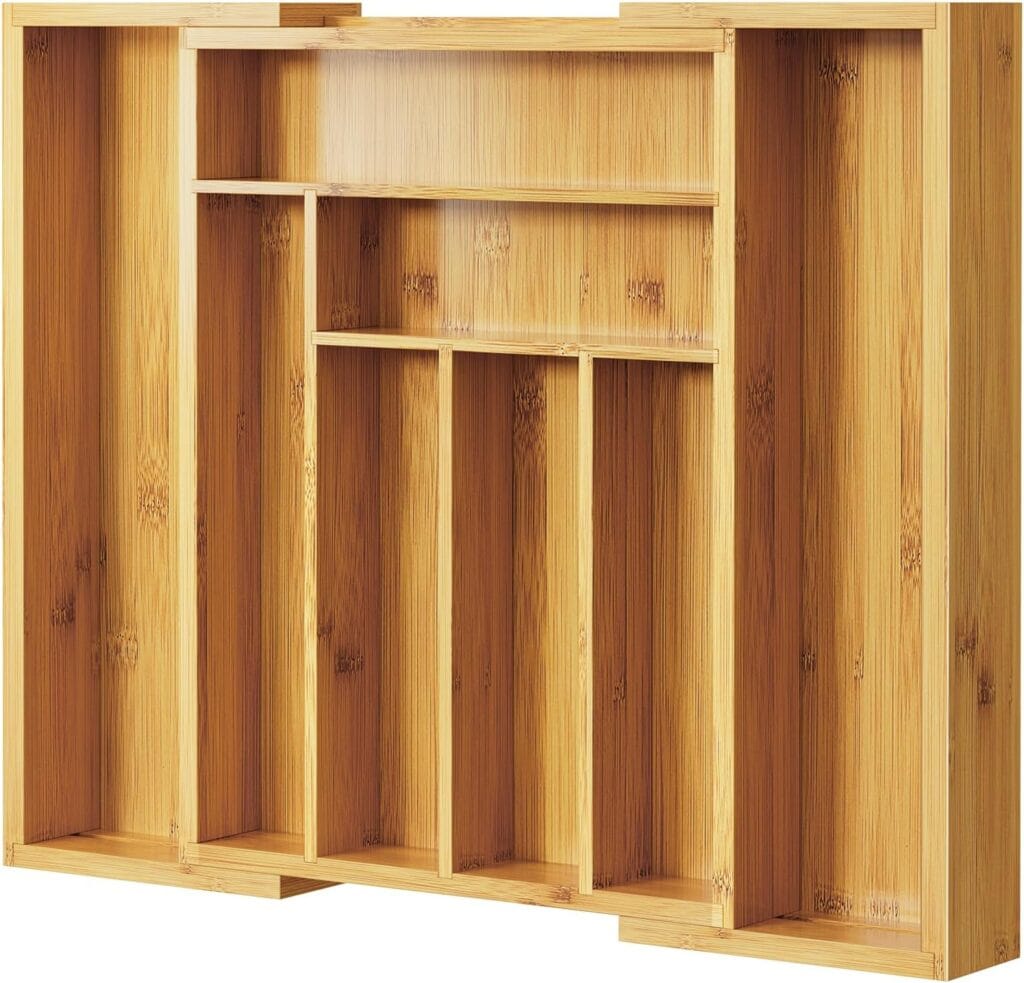
Totally Bamboo Kitchen Drawer Organizer, Expandable Silverware Organizer and Utensil Holder, 8 Compartments with Dividers

Review: $$34.99 | ⭐ 4.3/5. Check on Amazon →
Mighty Susan 2-Tier Lazy Susan Pantry Organizer – Steel Reinforced Turntable for Kitchen Cabinets & Pantry Storage – Heavy-Duty Can Organizer Holds Up to 30 lbs – Rotates 360° – Includes 2 Bonus Bins

Review: $$49.99 | ⭐ 4.6/5. Check on Amazon →
KitchenEdge Acacia Tea Bag and Coffee Pod Kitchen Drawer Organizer, Expandable 9.7 to 17 Inches, 10 Storage Compartments, Adjustable Wall Inserts, Non-Slip Feet, Food-Safe

Review: $$52.05 | ⭐ 4.8/5. Check on Amazon →
Imagine standing in your kitchen, surrounded by the chaos of a million different gadgets, appliances, and dishes, as you frantically try to cook dinner for your family. The countertops are cluttered with kitchen utensils, appliances, and expired spices, making it impossible to find the one thing you need. The drawers are overflowing with plastic containers, lids, and bags, and the cabinets are stuffed with dishes, pots, and pans that you never use. As you search for a simple recipe, you feel your energy draining away, sucked into the vortex of clutter and disorganization. The kitchen, which is supposed to be the heart of your home, has become a source of stress and anxiety.
The reason this problem is so hard to solve is that it’s not just about getting rid of a few unnecessary items, it’s about creating a system that works for you and your family. The kitchen is a high-traffic area, and it’s easy for clutter to build up quickly, especially when you have multiple people using the space. The emotional cost of this chaos can be overwhelming, leading to feelings of frustration, guilt, and shame. You may feel like you’re not doing enough, or that you’re not good enough, simply because your kitchen is a mess.
But here’s the thing: it’s not your fault. You’re not a bad person, and you’re not a bad cook, simply because your kitchen is cluttered. The truth is, most people don’t have a system in place for managing their kitchen clutter, and that’s what’s holding them back. By implementing a few simple strategies and techniques, you can create a minimalist kitchen that is functional, efficient, and beautiful. In the following sections, we’ll explore the steps you can take to simplify your kitchen, reduce clutter, and create a space that you love spending time in.
Transform Your Space into a Calm and Functional Haven
Step 1: Start With a Clean Slate
To begin your journey to a minimalist kitchen, start by clearing everything off your countertops. This means removing all appliances, gadgets, and knick-knacks, and sorting them into categories such as baking, cooking, and dining. Take this opportunity to wipe down your countertops with a gentle cleanser and let them dry completely. Next, gather some sturdy boxes or bins and label them as “keep,” “donate,” and “toss.” Be ruthless – if you haven’t used it in the past year, it’s likely you won’t miss it. Begin by sorting items into these boxes, and don’t worry too much about making final decisions just yet.
As you sort, remember that the goal of a minimalist kitchen is to create a space that is both beautiful and functional. Consider the items that bring you joy or make your life easier, and prioritize those. It’s also important to consider the 80/20 rule, which states that 80% of the time, you likely only use 20% of your belongings. Keep this in mind as you decide what to keep and what to let go of.
Step 2: Sort by How Often You Use It
Now that you have a clean slate, it’s time to sort your items by frequency of use. Start by grouping items into three categories: daily, weekly, and rarely used. Daily items might include your coffee maker, toaster, and favorite cooking utensils. Weekly items could be your stand mixer, slow cooker, or special occasion dishes. Rarely used items might include that fancy cake stand or the set of fine china you only bring out for holidays. Be honest with yourself about how often you use each item, and consider letting go of items that fall into the rarely used category.
When sorting, consider the concept of “zones” in your kitchen. For example, you might have a baking zone, a cooking zone, and a cleaning zone. Grouping items by zone can help you see what you need to keep and what you can let go of. Remember, the goal is to create a space that is functional and easy to navigate, so prioritize items that make your life easier and more efficient.

Step 3: Pick Storage That Fits Your Space
Once you’ve sorted your items, it’s time to think about storage. Consider the specific needs of your kitchen, including the size and shape of your countertops, cabinets, and drawers. Look for storage solutions that fit your space, such as a cart or island for extra counter space, or a pegboard for hanging utensils and gadgets. For example, if you have a small kitchen with limited cabinet space, consider using a hanging pot rack or a wall-mounted spice rack to keep items off the countertops.
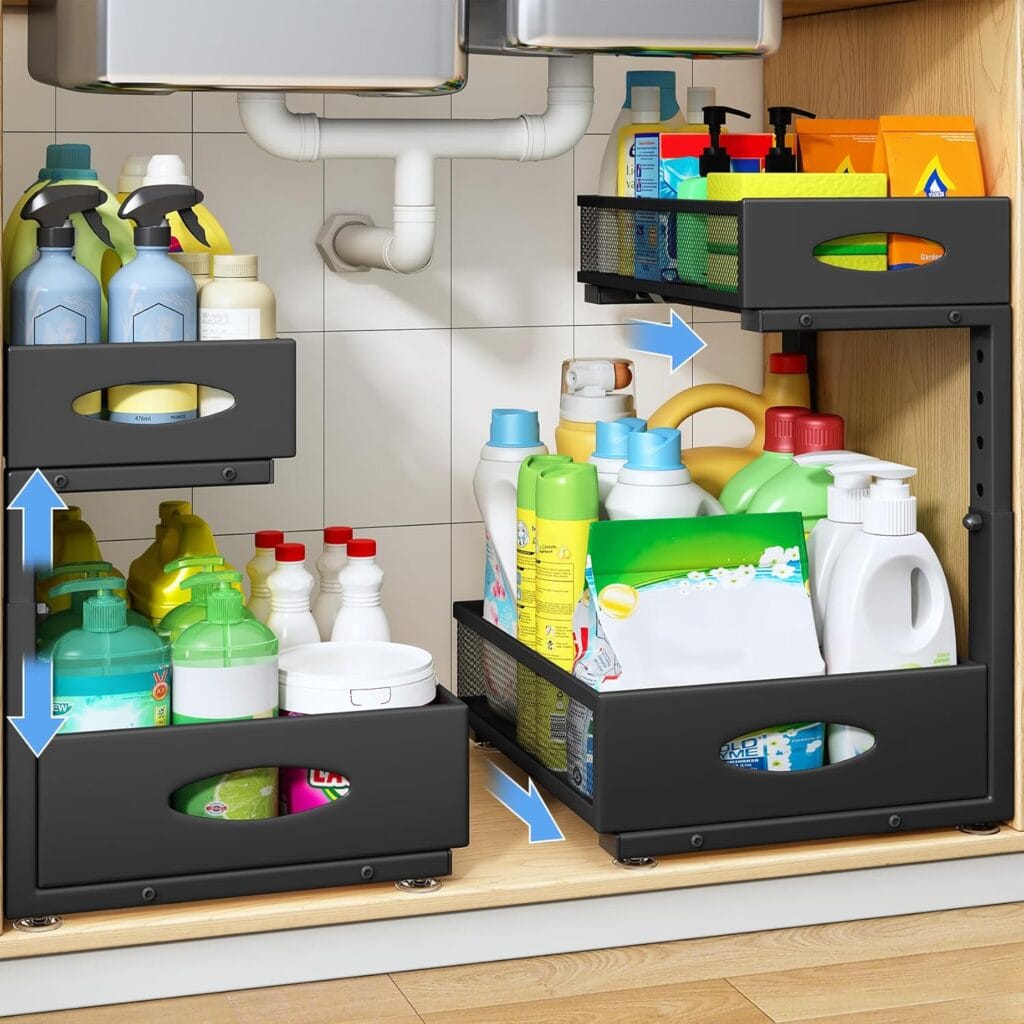
When choosing storage solutions, prioritize items that are functional, durable, and easy to clean. Avoid using flimsy or cheap storage solutions, as they can quickly become cluttered and disorganized. Instead, invest in high-quality storage solutions that will stand the test of time, such as a sturdy wooden cart or a set of stackable glass containers. Consider using baskets or bins to store items like snacks, spices, or cleaning supplies, and label them clearly so you can easily find what you need.
Step 4: Label Like a Pro
Labeling your storage solutions is key to maintaining a minimalist kitchen. Use a label maker to clearly mark each storage container or bin, and consider using color-coding to categorize items by type or zone. For example, you might use red labels for baking supplies, blue labels for cooking utensils, and green labels for cleaning supplies. This will make it easy to find what you need quickly and efficiently, and will also help you stay organized and focused.
When labeling, be specific and concise. Avoid using vague labels like “miscellaneous” or “junk,” and instead opt for clear and descriptive labels like “flour and sugar” or “coffee and tea.” Consider using a consistent font and label size throughout your kitchen to create a cohesive look, and don’t be afraid to get creative with your labels. For example, you might use a fun font or add a decorative sticker to make your labels more visually appealing.
Step 5: Build a 5-Minute Weekly Reset Habit
To maintain your minimalist kitchen, it’s essential to build a weekly reset habit. Set aside just 5 minutes each week to tidy up your kitchen, putting away any items that are out of place and wiping down your countertops. This will help you stay on track and prevent clutter from building up. Consider setting a reminder on your phone or calendar to remind you to do your weekly reset, and try to make it a habit by doing it at the same time each week.
During your weekly reset, take a few minutes to review your storage solutions and make any necessary adjustments. Ask yourself if there are any items that are no longer needed or that can be replaced, and consider letting go of items that are no longer serving you. Remember, a minimalist kitchen is not just about getting rid of stuff – it’s about creating a space that is functional, beautiful, and easy to maintain. By building a weekly reset habit, you’ll be able to keep your kitchen organized and clutter-free, and enjoy the peace of mind that comes with it.
The Minimalist Kitchen: What to Keep and What to Toss
Imagine walking into your kitchen, feeling a sense of calm and serenity as you begin to prepare a meal. The countertops are clear, the cabinets are organized, and every tool has its designated spot. This is the reality of a well-designed minimalist kitchen. Achieving this serene atmosphere requires careful consideration of what to keep and what to toss.
Getting Started with a Minimalist Kitchen
To create a minimalist kitchen, you need to assess your current space and belongings. Start by taking everything out of your cabinets and drawers, and sort items into three piles: keep, donate/sell, and discard. Be honest with yourself about each item, considering how often you use it and whether it brings you joy. This process can be overwhelming, but it’s essential to creating a kitchen that truly serves your needs.
Expert Tips
Rule 1: The One-In-One-Out Policy. This rule states that for every new item you bring into your kitchen, one old item must be removed to make space. This helps maintain a balanced amount of possessions and prevents clutter from building up. By adopting this policy, you’ll be more mindful of your purchasing habits and avoid accumulating unnecessary items.
Rule 2: Create Daily Habits. Developing daily habits, such as wiping down the counters after each meal and putting away dishes immediately, helps maintain your kitchen’s organization and tidiness. By incorporating these habits into your daily routine, you’ll find that your kitchen stays clutter-free with minimal effort. Consistency is key to making these habits stick.
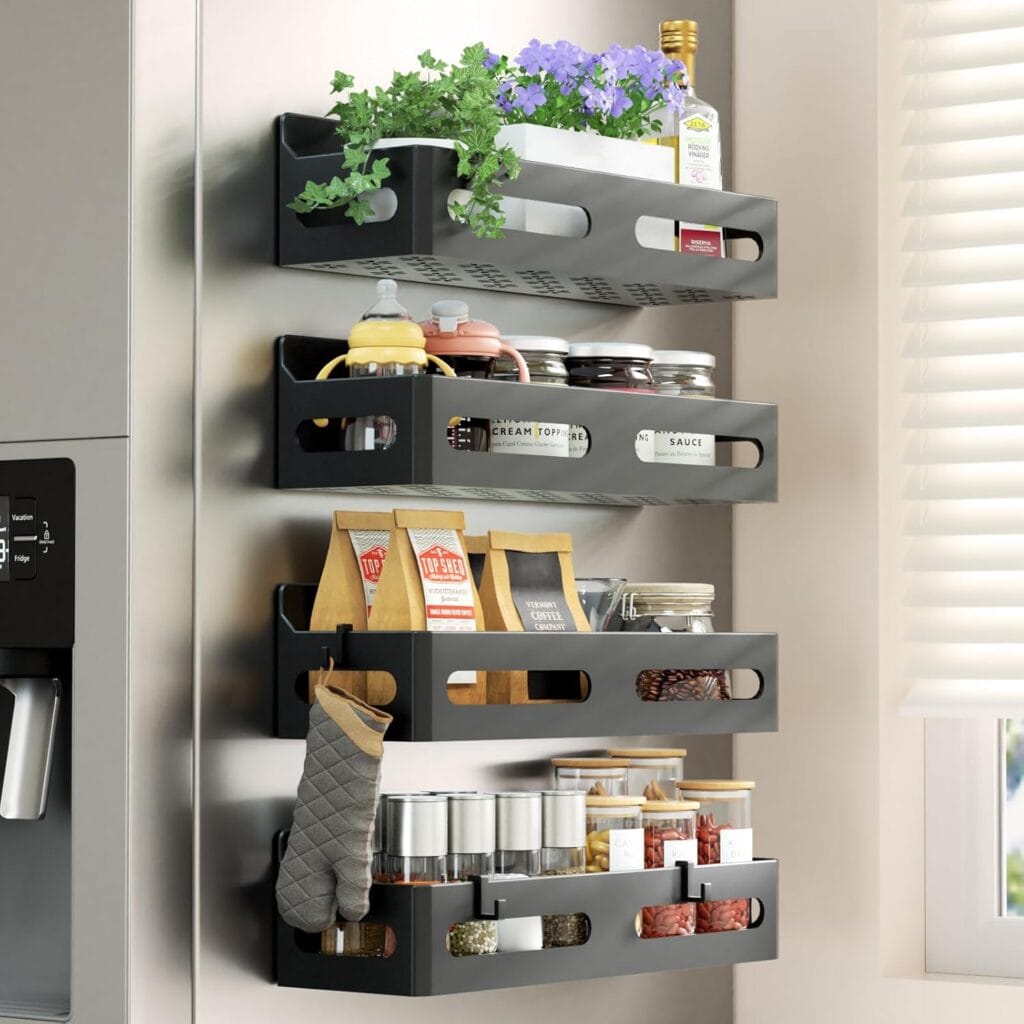
Rule 3: Utilize Vertical Space. Making the most of your kitchen’s vertical space can greatly impact its overall organization. Install shelves, hooks, or a pegboard to maximize storage and keep frequently used items within easy reach. This will help keep your countertops clear and create a sense of openness in the room. By using wall-mounted storage, you can also add a decorative touch to your kitchen.
Common Mistakes to Avoid
- Mistake 1: Keeping Duplicate Items: Holding onto multiple items that serve the same purpose can lead to clutter and disorganization, making it harder to find what you need when you need it.
- Mistake 2: Not Measuring Before Buying: Failing to measure your kitchen’s dimensions and the items you plan to store can result in poorly fitting furniture and wasted space.
- Mistake 3: Ignoring the 80/20 Rule: This rule suggests that 80% of the time, you likely only use 20% of your belongings, so getting rid of items that don’t fall into that 20% can significantly simplify your kitchen.
- Mistake 4: Not Assigning a Home for Each Item: Failing to designate a specific spot for each item can lead to clutter and make it difficult to maintain your kitchen’s organization.
- Mistake 5: Being Too Sentimental: Holding onto items solely for sentimental reasons can contribute to clutter and make it challenging to achieve a truly minimalist kitchen.
Creating a Functional and Beautiful Space
A well-designed minimalist kitchen is not only functional but also visually appealing. Consider the aesthetic you want to achieve and choose items that fit within that vision. Select a limited color palette and materials that complement each other, such as wood and stainless steel. By doing so, you’ll create a cohesive and inviting space that you’ll enjoy spending time in.
Implementing a Maintenance Routine
Maintaining your minimalist kitchen requires regular effort, but it’s easier than you think. Set aside time each week to tidy up and address any clutter that may have accumulated. Go through your cabinets and drawers to ensure everything is still in its designated spot, and make adjustments as needed. By staying on top of maintenance, you’ll find that your kitchen remains organized and clutter-free with minimal effort.
Frequently Asked Questions
Q: How do I decide what to keep and what to toss? When deciding what to keep and what to toss, consider how often you use each item and whether it brings you joy. Be honest with yourself, and let go of items that no longer serve a purpose or bring you happiness.
Q: What if I need an item in the future? If you’re unsure about getting rid of an item, ask yourself if you’ve used it in the past year. If not, it’s likely you won’t miss it. Consider taking a photo of the item and letting it go, knowing you can always purchase a replacement if needed.
Q: How do I maintain my minimalist kitchen? Maintaining your minimalist kitchen requires regular effort, but it’s easier than you think. Set aside time each week to tidy up and address any clutter that may have accumulated. Stay on top of maintenance, and you’ll find that your kitchen remains organized and clutter-free with minimal effort.
Q: What are some essential items to keep in a minimalist kitchen? Essential items to keep in a minimalist kitchen include a good chef’s knife, a cutting board, a saucepan, a frying pan, and a Dutch oven. These items will provide you with the functionality you need to prepare a variety of meals without cluttering your kitchen.
Q: Can I still have a minimalist kitchen if I have a large family? Yes, you can still have a minimalist kitchen even with a large family. It may require more intention and planning, but it’s possible to create a functional and beautiful space that meets your family’s needs. Consider implementing systems and habits that work for your family, such as a meal planning routine and a cleaning schedule.
Frequently Asked Questions
How do I decide what kitchen items to keep and what to get rid of?
To start, take everything out of your kitchen cabinets and sort items into categories. Be honest with yourself about how often you use each item and consider letting go of duplicates or items that no longer serve a purpose. This process will help you determine what’s truly essential in your kitchen.
What are some essential items that I should keep in a minimalist kitchen?
A well-stocked minimalist kitchen should include a few multi-purpose tools, such as a chef’s knife, a cast-iron skillet, and a Dutch oven. You should also keep a set of versatile plates, bowls, and cups that can be used for both everyday meals and special occasions. These items will provide a solid foundation for cooking and entertaining.
How can I organize my kitchen to maintain a minimalist aesthetic?
To maintain a minimalist kitchen, focus on creating a sense of flow and simplicity. Assign a home for each item and use storage containers or baskets to keep clutter at bay. Consider implementing a “one in, one out” policy to prevent clutter from building up again in the future.
Can I still have a functional kitchen if I get rid of my kitchen gadgets?
While it may seem counterintuitive, getting rid of kitchen gadgets can actually make your kitchen more functional. By paring down to only the most essential items, you’ll be able to focus on the tools that truly make cooking easier and more efficient. You may be surprised at how little you miss the gadgets once you’ve simplified your kitchen.
How often should I review and update my kitchen to keep it minimalist?
It’s a good idea to review your kitchen every 6-12 months to ensure that it’s still aligned with your needs and values. Take some time to assess what’s working and what’s not, and make adjustments as needed. This regular review process will help you maintain a kitchen that’s both beautiful and functional.
Pro Tip: Build your complete system by checking out our guide on Ultimate Guide: 0 Clutter How to Organize Kitchen Cabinets Step by Step.
Research Reference: Verified The Minimalist Kitchen: What to Keep and What to Toss strategies also found on expert authority sites.
Embracing Your Dream of The Minimalist Kitchen: What to Keep and What to Toss
Creating a minimalist kitchen that truly reflects your style and needs is within your reach. By being intentional about what you keep and what you let go of, you can cultivate a space that feels calm, beautiful, and functional. As you continue on your journey to a more streamlined kitchen, remember that it’s all about progress, not perfection.
If you found this guide helpful, consider saving it for future reference or sharing it with a friend who’s also working towards their ideal kitchen. For more inspiration and practical tips, check out our guide to 10 Genius Minimalist Kitchen Decor: Aesthetic & Functional Organization Ideas or explore our recommendations for the 7 Best Refrigerator Organizers for a Clean Look 2026. If you’re dealing with a smaller kitchen, don’t miss our expert advice on How To Organize Small Kitchen With No Pantry.